Fotona Laser Treatments for Minimalist Beauty Routines
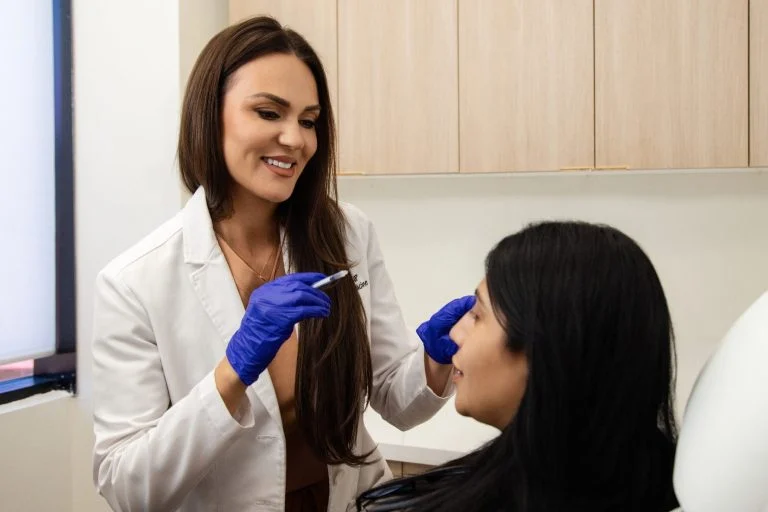
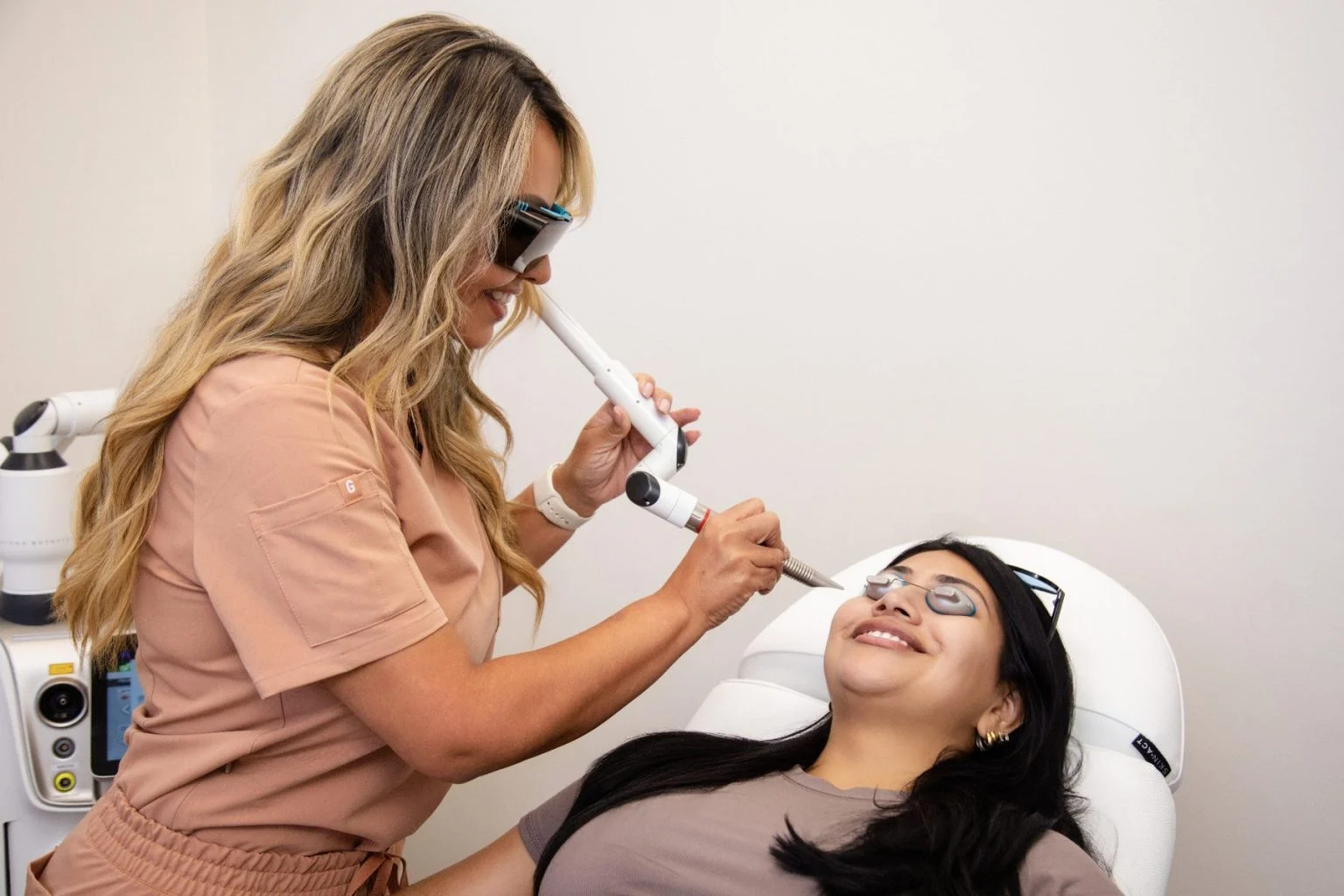
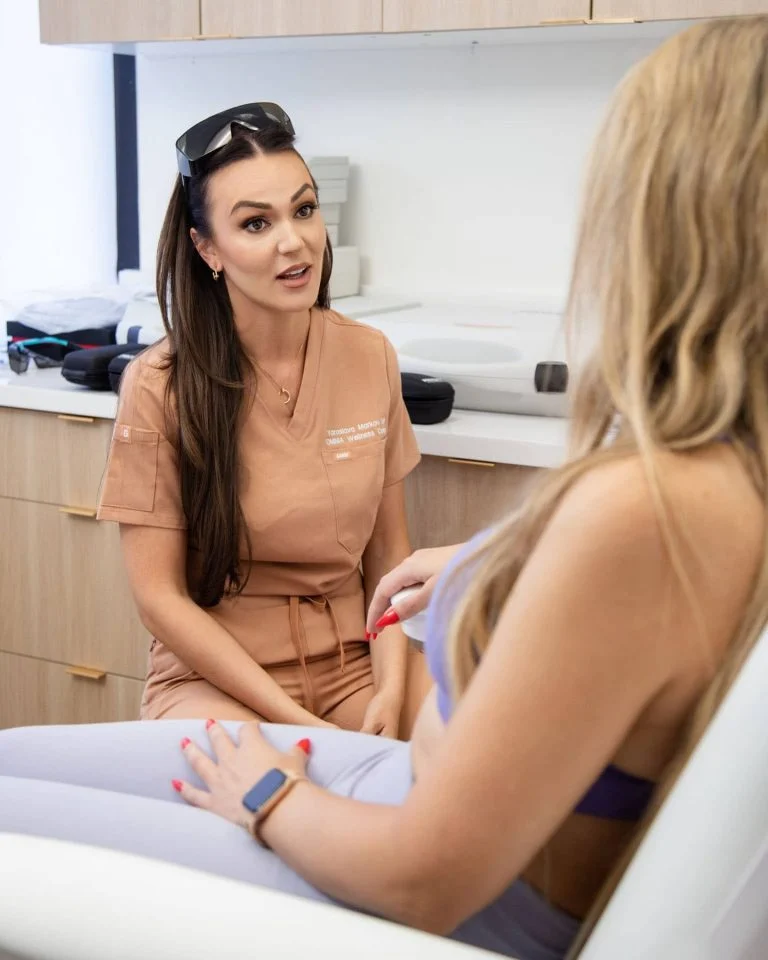
Minimalist beauty has matured. It is no longer just a shelf with fewer bottles or a pared-back makeup bag. For many people, it means choosing treatments that reduce daily upkeep, support skin quality over camouflage, and fit into a life that already feels full. That shift is one reason Fotona Laser Treatments have gained so much attention in clinics that treat patients who want visible results without looking overdone.
The appeal is easy to understand. A person may be tired of layering primer, foundation, concealer, and highlighter just to create the impression of smooth skin. Another may want firmer texture around the eyes or a fresher lip area, but has no interest in dramatic changes or repeated injectables. Others simply want to invest in skin health so that the basics, sunscreen, moisturizer, and perhaps a tint, are enough on most days.
Fotona sits comfortably in that space. It is not a single one-note laser used for one narrow concern. It is a https://connerdjia374.zenbloomer.com/posts/how-fotona-laser-treatments-support-collagen-production platform used for different noninvasive and minimally invasive treatments, often chosen for collagen stimulation, skin tightening, texture refinement, acne scar improvement, vascular concerns, and rejuvenation in delicate areas. The exact experience depends on which handpiece, wavelength, and treatment protocol a practitioner uses. That nuance matters because minimalist patients tend to be selective. They do not want every possible intervention. They want the right intervention.
Why minimalists gravitate toward laser-based maintenance
A true minimalist beauty routine is less about doing nothing and more about doing fewer things that work better. That distinction is important. Skin still ages. Pigment still appears. Pores can look larger, especially when dehydration and sun exposure accumulate. Makeup can still settle into fine lines. The question becomes whether those concerns are addressed every morning in front of the mirror or every few months in a treatment room.
Lasers appeal because they shift effort from daily concealment to periodic correction. When treatment goes well, patients often notice that they need less product, not because their standards dropped, but because the canvas changed. Texture feels smoother. Tone becomes more even. Skin may reflect light better. A small improvement in laxity around the jaw, mouth, or eyes can make a face look more rested with no obvious sign that anything was done.
That is the heart of the minimalist argument for Fotona Laser Treatments. They can support a lower-maintenance baseline.
There is also a psychological piece. Many people are exhausted by chasing trends. One month it is “glass skin,” the next it is contouring, then “clean girl” cosmetics, then peptide stacks with seven separate serums. Patients often arrive at laser after discovering that complexity does not always mean better outcomes. In clinic conversations, I hear the same sentence in different forms: “I want my skin to look good without having to think about it so much.”
What makes Fotona different from the average laser conversation
People often talk about “laser” as if all devices behave the same way. They do not. Fotona is known for combining different wavelengths, especially Er:YAG and Nd:YAG, each with distinct tissue interactions. In practical terms, that gives providers flexibility. One patient may benefit from a gentle collagen-focused treatment with very little downtime. Another may be a candidate for resurfacing that targets roughness, superficial lines, or acne scarring more directly.
For minimalist beauty routines, that flexibility matters more than marketing language. It allows treatment plans to be built around specific bottlenecks in a person’s routine.
If your daily makeup routine exists mainly to blur textural irregularity, a resurfacing approach may make the biggest difference. If your concern is crepey lower eyelid skin or early laxity around the mouth, a tightening-oriented protocol may be more useful. If redness or visible vessels force you to rely on complexion products, another setting or adjunctive treatment may be considered. The best providers do not sell the machine. They translate the machine into a practical payoff: what becomes easier in your real life after treatment?
That is a much more useful lens than before-and-after photos alone.
The areas where Fotona Laser Treatments tend to earn their keep
The strongest candidates for a minimalist approach usually have one or two persistent issues that create disproportionate maintenance. They are not trying to transform every facial feature. They are trying to stop managing the same annoyance every single day.
Texture is a common example. Slight roughness across the cheeks, enlarged pores near the nose, or mild acne scarring can make someone feel dependent on smoothing products. If a treatment series softens those issues, even modestly, the routine often shrinks on its own.
Perioral aging is another area. The fine lines around the mouth can turn lip color into work. Product bleeds, lines catch light, and the whole lower face can look more tired than the person feels. Fotona treatments designed for collagen stimulation in and around the lips can help refine that area in a way that supports a more natural, less product-heavy look.
The eye area deserves mention too. Patients who want to use less concealer usually benefit more from improving skin quality than from trying to mask dryness and crepiness with heavier formulas. Treatments around the eyes must be chosen carefully, but when done well, they can reduce the need for cosmetic compensation.
Then there is tone. Uneven tone sends many people into lengthy routines built around color correction. Not every pigment issue is best treated with this platform, and not every skin type should be treated the same way, but in the right hands, laser-based rejuvenation can make the skin tone appear calmer and more coherent, which changes how much product feels necessary.
A minimalist routine still depends on smart expectations
One of the most common mistakes is assuming that one laser session replaces all skin care. It does not. A good laser can reduce the burden of your routine, but it rarely eliminates the need for the basics. Skin still needs sunscreen. Barrier support still matters. If you are prone to acne, rosacea, or melasma, daily management may remain part of the picture.
Minimalism works best when laser supports the routine instead of pretending to replace it.
A practical outcome might look like this: before treatment, a patient uses a cleanser, exfoliating toner, vitamin C, niacinamide serum, moisturizer, primer, full foundation, concealer, setting powder, and spot corrector just to feel presentable. After a thoughtfully chosen series of Fotona Laser Treatments, that same person may be happy with cleanser, antioxidant, moisturizer, sunscreen, and a light skin tint. That is a substantial quality-of-life difference, even if the skin is not “perfect.”
The language around perfection tends to sabotage realistic planning. Good laser work creates improvement, not invincibility. Pores do not disappear. Expression lines do not vanish forever. Redness may improve without becoming nonexistent. Tightening can be visible and meaningful without resembling surgery. Patients happiest with minimalist routines are usually the ones comfortable with that middle ground.
Downtime, discomfort, and the trade-offs worth acknowledging
Minimalists are often practical people, so glossing over trade-offs is a mistake. Fotona treatments vary in intensity, and downtime varies with them. Some sessions create mild redness and warmth that settle quickly. Others, especially more resurfacing-oriented protocols, may involve several days of visible recovery. Skin can feel dry, tight, rough, or bronzed during healing, depending on the treatment.
Discomfort also ranges. Some patients describe gentler sessions as tolerable heat with occasional sharper moments. More intensive treatments may require topical anesthetic, cooling measures, and realistic scheduling around social or work obligations. If someone has a major event in five days, that is usually not the time for an aggressive resurfacing appointment.
This is where minimalist thinking helps again. You do not have to choose the most dramatic protocol available. Sometimes a series of lower-downtime sessions suits the patient far better than one strong treatment that disrupts life and creates anxiety. The best plan is not always the maximal plan.
Cost deserves equal honesty. Laser is often framed as expensive, and upfront it can be. But many patients compare it to years of buying prestige skin care, complexion products, facials, spot treatments, and impulse purchases driven by frustration. When the routine simplifies after treatment, the economics can shift. That said, lasers are not automatically cost-effective for everyone. If your concern is mild and you are already content with your routine, treatment may offer little practical value. Restraint is part of expertise.
Matching the treatment to the patient, not the other way around
No device, including Fotona, is ideal for every face, skin type, or concern. This is where consultation quality becomes more important than brand recognition.
Skin type affects risk, especially around pigment alteration. A provider needs to assess not just shade but reactivity, tanning habits, history of post-inflammatory hyperpigmentation, active melasma, use of retinoids, recent sun exposure, and any isotretinoin history. Someone with a reactive pigment pattern may need a more conservative plan, altered settings, pre-treatment skin conditioning, or even a different modality altogether.
Medical history matters too. Cold sore history can influence treatment around the mouth. Active acne, dermatitis, or impaired barrier function can affect timing. Patients who form raised scars need special caution. And then there is the very simple issue of lifestyle. A person who cannot avoid sun, who works outdoors, or who will not follow aftercare may not be a great candidate at a given moment, regardless of how appealing the treatment sounds.
A seasoned practitioner usually asks a different set of questions than a sales-driven one. They want to know what part of your routine annoys you, what you can realistically maintain, how much downtime you can tolerate, and what level of change would actually feel worthwhile. That conversation often reveals whether Fotona Laser Treatments are the right fit, or just an attractive idea.
What “less makeup” can realistically mean after treatment
The phrase “less makeup” sounds vague until it is translated into daily behavior. After successful laser work, patients often report a few specific changes.
They stop using thick formulas meant to fill texture.
They feel more comfortable skipping base makeup for errands, exercise, or video calls.
They need less concealer under the eyes because the skin catches less dryness.
They use lip color more easily because the surrounding skin looks smoother.
They spend less time trying to neutralize redness or shadows.
Those are not glamorous claims, but they are the real ones. Beauty routines change when friction decreases. In practice, that matters far more than dramatic before-and-after language.
I have seen patients make excellent use of laser because they understood this from the start. One woman in her early forties did not care about looking younger in a broad sense. She cared that her skin looked tired by noon and that makeup sat poorly on old acne texture near the cheeks. After a measured treatment plan and patient aftercare, she was thrilled not because she looked transformed, but because she stopped packing three complexion products in her handbag. That is the kind of understated win minimalists appreciate.
The aftercare that protects your investment
Laser outcomes are shaped as much by healing habits as by the treatment itself. Minimalist patients usually do well here because they are not eager to pile on twenty active ingredients. The skin typically wants calm, not experimentation.
A sound recovery routine is usually simple:
- Use a gentle cleanser and a bland moisturizer.
- Wear broad-spectrum sunscreen diligently and avoid direct sun.
- Pause strong actives until the provider says the barrier has recovered.
- Do not pick, scrub, or rush peeling skin.
- Report unusual swelling, crusting, or prolonged irritation promptly.
That kind of discipline often determines whether a treatment settles beautifully or becomes an avoidable frustration. The paradox of minimalist beauty is that fewer products require more consistency.
When Fotona is a smart choice, and when it may not be
There are situations where Fotona Laser Treatments align extremely well with a minimalist philosophy. Mild to moderate texture issues, early laxity, perioral aging, skin that looks dull despite decent home care, and patients who prefer device-based collagen stimulation over heavier cosmetic camouflage are often strong candidates.
It may be less compelling for people who want instant, dramatic lifting, who are unwilling to accept any downtime, or whose primary issue is a condition better treated with another device, medication, or injectable. It can also be the wrong moment if the skin barrier is unstable, sun exposure is unavoidable, or expectations are built around airbrushed social media results.
This is where restraint again becomes a virtue. A careful provider will sometimes advise waiting, starting with skin care stabilization, or choosing another option first. That is not a failure of the technology. It is what responsible medicine looks like.
Building a truly minimalist plan around laser
A minimalist beauty routine built around laser usually succeeds because it is edited ruthlessly. Instead of asking what else can be added, the question becomes what can now be removed.
For many patients, the strongest long-term combination is uncomplicated: a cleanser that does not irritate, a moisturizer that supports the barrier, a daily sunscreen they will actually wear, one targeted active if needed, and periodic in-office treatment timed according to skin goals and budget. Everything else becomes optional. That is a much calmer relationship with beauty than constant product cycling.
The larger lesson is that aesthetic treatments are most useful when they solve a practical problem. Fotona Laser Treatments can do that for the right patient. They can shorten routines, improve how skin behaves under little or no makeup, and create a fresher baseline that feels believable in natural light. They are not magic, and they are not universal. But for someone who values polished restraint over cosmetic excess, they can be one of the more intelligent ways to spend both time and effort.
Minimalist beauty, at its best, is not neglect disguised as sophistication. It is selectivity. It is knowing that one well-chosen intervention can matter more than a cabinet full of promises. In that context, Fotona earns its place not because it is trendy, but because it can make ordinary mornings simpler. For many people, that is the most luxurious result of all.
OMNIA Wellness Center
Address: 16430 Ventura Blvd Ste 207, Encino, CA 91436
Phone number: +18183868511
FAQ About Fotona Laser Treatments
What is a Fotona laser good for?
A Fotona Laser system is a versatile, dual-wavelength medical laser used primarily for non-surgical skin tightening, anti-aging rejuvenation, and dermatological treatments.
How much does the Fotona laser cost?
The cost of a Fotona laser depends heavily on whether you are looking to purchase a laser machine for a medical practice or are a patient seeking a laser treatment at a medspa.
Is a Fotona laser worth it?
A Fotona laser treatment is generally worth it if you want non-surgical skin tightening, improved texture, and collagen stimulation with very little downtime.