Fotona Laser Treatments for Smoother, Firmer, Clearer Skin
Skin rarely changes for just one reason. Texture can turn rough after years of sun exposure. Pores may look larger when oil production shifts. Fine lines often settle in slowly, then seem to appear all at once. Acne can calm down, only to leave behind redness, marks, and uneven tone that linger much longer than the breakout itself. That is why so many patients eventually stop asking for a single fix and start looking for treatments that can address several concerns at once, without a long recovery.
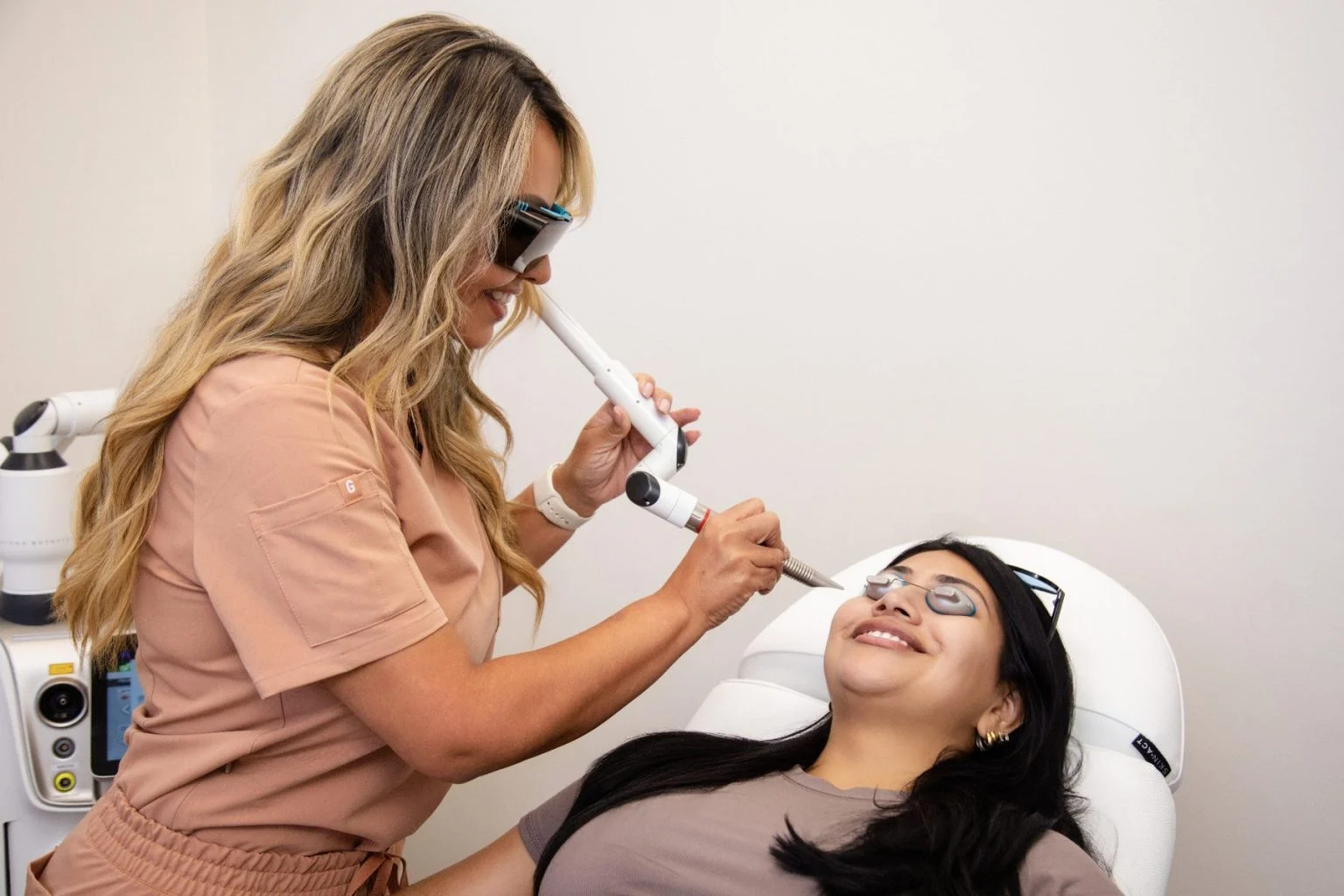
Fotona Laser Treatments have earned attention for exactly that reason. In practice, they are often used to improve skin texture, soften lines, support collagen remodeling, refine pores, and help with certain pigmentation and acne-related concerns. What makes them especially useful in a clinical setting is their flexibility. Rather than relying on one wavelength and one approach, Fotona systems can be adjusted in ways that let a practitioner work more superficially or more deeply, more gently or more aggressively, depending on the condition being treated and the amount of downtime a patient can realistically accept.
That flexibility is also where expectations need to be handled carefully. Not every patient needs an aggressive resurfacing treatment. Not every concern responds best to heat-based collagen stimulation alone. And not every impressive before-and-after image reflects what an average patient will see after one session. The real value of these treatments lies in matching the right settings and treatment plan to the right skin, not in promising dramatic change to everyone.
What Fotona actually refers to
Fotona is a laser platform brand, not a single treatment. When people say they are booking a Fotona appointment, they may be referring to several different protocols performed on the same technology family. The most commonly discussed systems use erbium:YAG and Nd:YAG wavelengths, each with different tissue interactions.
In simple terms, erbium:YAG is often chosen when precision on the skin surface matters. It can ablate or polish tissue with a high degree of control, which makes it useful for resurfacing, improving rough texture, and reducing the appearance of superficial wrinkles or acne scarring. Nd:YAG penetrates more deeply and is commonly used to create controlled heating in the dermis, where collagen remodeling takes place. That deeper thermal effect can help with firmness, diffuse redness, and overall rejuvenation, depending on the treatment mode.
This matters because two patients can both say they had Fotona Laser Treatments and come away with very different experiences. One may have mild redness for a few hours after a non-ablative tightening session. Another may have several days of visible healing after a more intensive resurfacing protocol. The brand is the umbrella. The result depends on the specific treatment delivered under it.
Why these treatments have become so popular
The appeal is easy to understand once you see how often skin concerns overlap. Someone in their early thirties may want smoother makeup application, but what they really mean is that dry, uneven texture and enlarged pores make foundation sit poorly. Someone in their forties may say they want firmer skin, but the visible issue is usually a combination of mild laxity, dullness, crepey texture around the eyes, and lines that deepen when the skin is dehydrated. A patient with persistent acne marks may have both brown post-inflammatory spots and shallow textural scarring.
A versatile platform lets a clinician treat several layers of the problem. Surface irregularity can be approached differently from deeper collagen loss. That is one reason these treatments often fit well into comprehensive skin plans. They can stand alone, but they also pair well with good topical care, selected injectables, and maintenance sessions over time.
Another reason for the popularity is practicality. Many patients are not willing to disappear from work or social life for two weeks to recover from a deep resurfacing procedure. They want visible change, but they also want options. Fotona protocols can range from lunchtime-style refresh treatments to more intensive resurfacing with measurable downtime. That range makes it easier to tailor treatment to real life rather than idealized schedules.
What concerns can improve
The phrase smoother, firmer, clearer skin is broad, but it is a useful shorthand for the types of issues these treatments often target best.
For smoothness, the main gains usually come from resurfacing and controlled skin renewal. Rough patches, mild acne scarring, superficial lines, and a generally uneven skin surface can all improve when the upper layers are treated with precision. Patients often notice that their skin catches light more evenly and feels less bumpy to the touch.
For firmness, the goal is usually collagen stimulation and tissue tightening. This is not the same as a surgical lift, and it should never be sold that way. The changes are subtler. Skin may feel denser, slightly tighter, and less creased, particularly in areas where early laxity is just starting to show. The lower cheeks, jawline, neck, and delicate eye area are frequent discussion points, though results vary by age, baseline skin quality, and how much true sagging is present.
For clarity, practitioners often look at redness, enlarged pores, post-acne marks, and certain uneven pigment patterns. Some patients also seek treatment for active acne, especially when heat-based modes are used as part of a broader acne management plan. That said, pigmentation must be approached thoughtfully. Not every brown spot should be treated with laser first, especially in darker skin tones or when the diagnosis is uncertain.
The treatment experience, from consultation to recovery
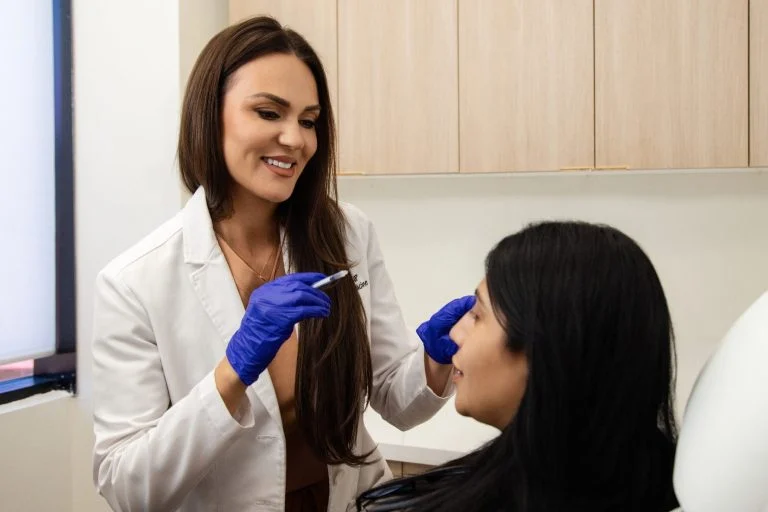
A proper consultation should be more than a quick glance and a price quote. Good laser planning starts with skin type, tanning history, medical history, active products, history of cold sores, previous procedures, and lifestyle constraints. A patient training for an outdoor event, using strong retinoids, or dealing with melasma requires different timing and treatment choices than someone with resilient skin and minimal sun exposure.
On treatment day, the experience varies by protocol. Some sessions feel warm and prickly, with tolerable discomfort that needs only cooling or a topical numbing cream. More intensive resurfacing can be significantly stronger and may require more robust comfort measures. The sensation is often described as heat with a snapping or stinging quality. Session length can run from under half an hour to more than an hour depending on the area and complexity.
Immediately afterward, skin may appear pink or red and feel warm, tight, or slightly swollen. With gentler settings, this may fade within hours or a day. With fractional or ablative resurfacing, recovery can involve redness, bronzing, flaking, and a sandpapery texture for several days. Patients are often surprised that the healing phase does not always look dramatic from a distance, yet the skin can feel very active up close, dry, rough, and temporarily more reactive than expected.
That is one place where real-world counseling matters. Downtime is not just the day you stay home. It includes the days your skin is technically healed enough to function but still looks dry, pink, or textured under office lighting. People who are comfortable with that transition usually do well. People expecting instant radiance after a stronger session are often disappointed, even when the final result turns out nicely.
Surface renewal versus deeper tightening
One of the most useful distinctions in laser medicine is whether the main target is the surface, the deeper support structure, or both. Surface-focused treatments are chosen when texture, superficial pigmentation irregularity, or fine lines dominate the picture. The improvement often becomes visible once peeling and roughness settle, though collagen remodeling continues after that.
Deeper tightening treatments rely more on thermal stimulation below the surface. The changes tend to build gradually over weeks to months. A patient may not see dramatic change at day seven, but by the six to twelve week mark the skin can look more rested and compact. The improvement is often described less as a transformation and more as a return of better skin behavior, with pores looking quieter, makeup sitting better, and the lower face appearing less fatigued.
Combined protocols can be especially effective when both layers need help. In clinic, this is often where Fotona stands out. Using different modes in sequence allows a practitioner to support firmness while also refining the visible outer texture. That combination is often more satisfying than treating only one layer, especially for patients in the late thirties through fifties whose concerns are mixed rather than isolated.
Who tends to be a good candidate
The strongest candidates are usually those with mild to moderate signs of photoaging, textural irregularity, enlarged pores, certain acne scar patterns, or early laxity who want visible improvement without surgery. They understand that collagen-based treatments are cumulative. They are willing to protect their skin from the sun afterward. Most importantly, they are open to a plan rather than a one-time miracle.
A few candidate factors matter enough to discuss plainly:
- skin tone and tanning history affect how aggressive a treatment can be
- active acne, rosacea, melasma, or eczema may require stabilization first
- certain medications and topical products increase irritation risk
- history of keloids, poor wound healing, or frequent cold sores can change planning
- expectations must match what lasers can realistically deliver
Darker skin tones are not automatic exclusions, but they do require careful selection and conservative settings. The risk of post-inflammatory hyperpigmentation is real, especially when resurfacing is too aggressive or aftercare is poor. Likewise, melasma is a condition that can worsen with heat or inflammation if handled carelessly. A thoughtful clinician will not force a laser treatment where it does not fit.
How many sessions are usually needed
This is one of the most common points of confusion. Patients often ask whether they will need one session or a package of three. The honest answer is that it depends on the problem being treated, the energy level used, and how much downtime the patient accepts.
Mild brightening or tightening protocols are often performed as a series. Three to five sessions spaced several weeks apart is common in many practices, particularly when the goal is gradual collagen stimulation or acne control with little disruption. More intensive resurfacing may involve fewer sessions because each treatment is stronger, but recovery is longer. Some patients truly do see worthwhile change after one well-chosen session. Others need staged work over months.
This is also where photographs matter. Human memory is unreliable, especially with slow improvements. Patients frequently feel they have not changed much until side-by-side images show smoother cheeks, softer lines around the mouth, and a reduction in blotchy tone. Progress is easiest to appreciate when lighting, angle, and timing are standardized.
What results tend to look like in real life
The best results often look understated in the most flattering way. Friends may not ask whether you had a laser. They may ask whether you changed your skincare, got better sleep, or took a vacation. Skin can appear fresher, less crinkled, more even, and more resilient under movement and makeup. That subtlety is usually a sign of good treatment planning.
For texture and pore appearance, improvements are often visible first. The skin surface reflects light more evenly, and foundation settles less into rough areas. Fine lines, especially those caused by chronic dryness and surface thinning, may soften noticeably. Acne marks may fade in stages rather than all at once.
Firmness tends to improve more slowly. A patient might notice that the cheek area looks less deflated or that the jawline appears a bit cleaner in certain lighting. These changes are meaningful, but they have limits. Significant jowling, heavy neck laxity, and deeper folds usually need additional strategies. Laser can improve skin quality over those structures, but it cannot replace the structural correction that surgery provides.
Scarring is another area where nuance matters. Shallow boxcar scars and generalized roughness often respond better than deep icepick scars. Most acne scars improve, but rarely disappear. In practice, a 30 to 60 percent improvement in texture can be a major win for the right patient, even though social media often conditions people to expect near-perfect skin.
Downtime, side effects, and the trade-offs worth knowing
Every energy-based treatment involves trade-offs. The session with almost no downtime usually gives milder, more gradual results. The treatment that produces obvious resurfacing tends to require more recovery and more disciplined aftercare. Neither approach is inherently better. The right one depends on priorities.
Common short-term effects include redness, swelling, dryness, flaking, temporary darkening of treated spots, and increased sensitivity. These are expected parts of healing, not necessarily complications. More significant risks include prolonged redness, acne flares, herpes simplex reactivation, infection, post-inflammatory hyperpigmentation, and, rarely, scarring. The risk profile changes with treatment depth, skin type, operator skill, and adherence to aftercare.
One practical point often overlooked is timing. Patients sometimes schedule treatment right before a wedding, major work event, beach trip, or photo session. That is rarely ideal. Even when healing goes well, skin can remain mildly pink or reactive longer than anticipated. A sensible buffer makes the experience much smoother.
Pairing laser treatment with the rest of a skin plan
Laser rarely does its best work in isolation. A patient trying to correct years of sun damage while continuing inconsistent sunscreen use is fighting against their own investment. Someone treating acne scars while new breakouts continue may need medical acne therapy at the same time. Likewise, skin that is dehydrated, barrier-damaged, or irritated by too many active products often tolerates laser poorly.
In day-to-day practice, the most reliable improvements happen when the foundation is sound. Gentle cleansing, appropriate moisturization, daily broad-spectrum sunscreen, and thoughtful use of retinoids or pigment-regulating ingredients can make laser results look better and last longer. Patients do not always love hearing this because it sounds less exciting than technology, but it is true. Laser can accelerate change. It https://chancemkvk797.theburnward.com/what-to-know-about-side-effects-of-fotona-laser-treatments does not replace basic skin maintenance.
There is also value in sequencing. Sometimes it is smarter to calm inflammation first, then treat texture. Sometimes injectables are better handled before laser, sometimes after, depending on the treatment plan. Good aesthetic work is rarely about one device. It is about choosing the order that gives the safest and most coherent result.
Aftercare is where good results are protected
Aftercare does not need to be complicated, but it does need to be consistent. Most post-laser problems come from either too much irritation or too much exposure, sun, heat, friction, picking, harsh products, or returning to actives too quickly.
A sensible aftercare routine usually includes:
- gentle cleansing with lukewarm water, not scrubbing
- a bland moisturizer used often enough to reduce tightness
- strict sun protection, including shade and physical barriers when possible
- temporary avoidance of retinoids, acids, exfoliants, and intense workouts if advised
- leaving flaking skin alone rather than picking or rubbing it off
I have seen excellent treatments undermined by small mistakes. A patient feels dry on day three, uses an exfoliating pad to “help” the peeling along, and ends up with more redness than the laser created. Another feels normal by day two and spends an afternoon outside, only to develop stubborn post-treatment pigmentation. These are preventable setbacks, which is why aftercare instructions deserve more attention than they often get.
The importance of practitioner judgment
The machine matters, but the operator matters more. Laser medicine is full of variables: fluence, pulse duration, density, overlap, endpoint recognition, skin preparation, and post-care guidance. The same platform in two different hands can produce very different outcomes.
A skilled practitioner knows when not to chase one more pass. They know when a patient wants tightening but actually needs resurfacing, or wants resurfacing when the real issue is redness and inflammation. They ask about sun habits, isotretinoin history, photosensitizing medications, and events on the calendar. They document well, patch test when indicated, and speak plainly about risk.
This is especially important when marketing language gets ahead of clinical reality. Terms like non-surgical facelift or no-downtime resurfacing may sound appealing, but they compress too much nuance into a catchy phrase. Most good treatments involve some compromise, whether that is multiple sessions, temporary redness, or accepting a meaningful but not absolute improvement.
Questions worth asking before you book
Patients tend to make better decisions when they ask practical questions rather than chasing a brand name alone. Ask which Fotona protocol is being recommended and why. Ask what specific concern is being targeted first. Ask how many sessions are likely, what healing usually looks like day by day, and what alternatives would make sense if your skin is not an ideal laser candidate.
It is also reasonable to ask how often the practitioner performs the treatment, whether before-and-after photos are their own, and how they handle complications or unexpected healing. Those questions are not confrontational. They are signs that you understand laser treatment is a medical procedure, not just a spa service.
Where Fotona fits in the bigger picture
Fotona Laser Treatments can be a very good option for patients who want smoother texture, better firmness, and clearer-looking skin without jumping straight to more invasive procedures. Their strength lies in versatility. A well-designed plan can address superficial irregularities and deeper collagen support in a way that feels customized rather than generic.
The patients who tend to be happiest are not the ones expecting one treatment to erase ten years overnight. They are the ones looking for credible, incremental improvement that stacks over time. They notice that their skin is easier to manage, more even in photographs, and less dependent on heavy coverage. They understand that maintenance matters. And they value natural-looking skin quality over dramatic, obvious intervention.
For the right candidate, that is often exactly the point. Better texture. Better tone. A little more firmness. Fewer reminders of sun, stress, acne, and time every time you catch your reflection under unforgiving light. When a laser plan is chosen well and performed carefully, those changes can be both visible and believable, which is usually the best outcome aesthetic medicine can offer.
OMNIA Wellness Center
Address: 16430 Ventura Blvd Ste 207, Encino, CA 91436
Phone number: +18183868511
FAQ About Fotona Laser Treatments
What is a Fotona laser good for?
A Fotona Laser system is a versatile, dual-wavelength medical laser used primarily for non-surgical skin tightening, anti-aging rejuvenation, and dermatological treatments.
How much does the Fotona laser cost?
The cost of a Fotona laser depends heavily on whether you are looking to purchase a laser machine for a medical practice or are a patient seeking a laser treatment at a medspa.
Is a Fotona laser worth it?
A Fotona laser treatment is generally worth it if you want non-surgical skin tightening, improved texture, and collagen stimulation with very little downtime.